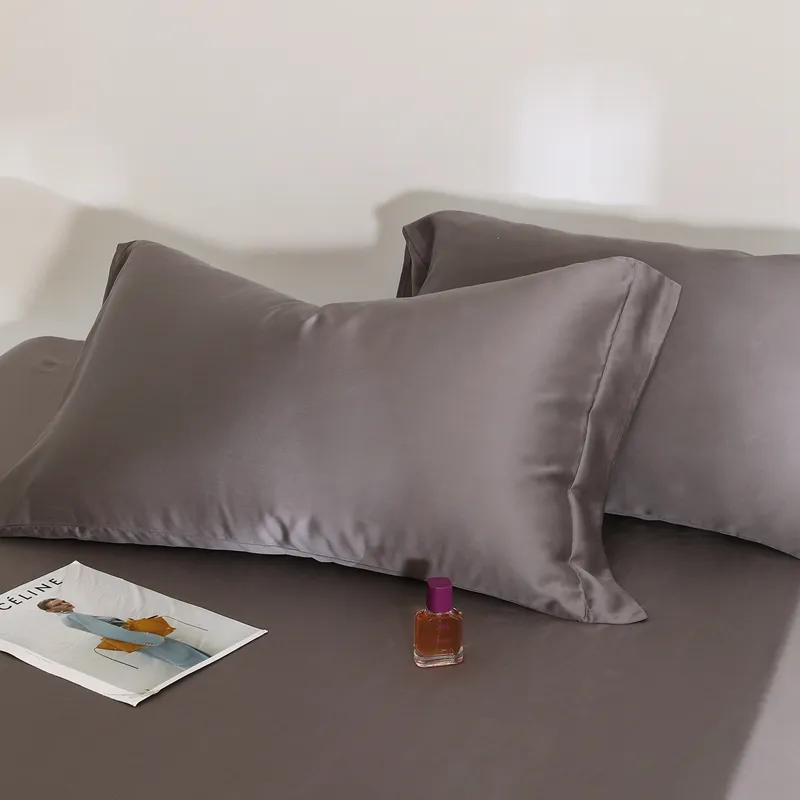
With so many types of bed sheets available on the market, choosing the right one can feel overwhelming.
Thread count, ply, weave — what do these terms actually mean? We understand that you want your bedroom to be a cozy and inviting place to relax after a long day. But with so many kinds of bed sheets available and all the confusing industry jargon, it’s easy to end up buying a poor-quality set that’s only just okay.
We don’t want that to happen to you.
Having the right sheets can improve your sleep quality, helping you get the deep, restful sleep you need. That’s why we’ve gathered all the important details about choosing sheets in one place — so you can make a smart choice without spending hours researching. Discover how to pick the perfect sheets for a great night’s rest.
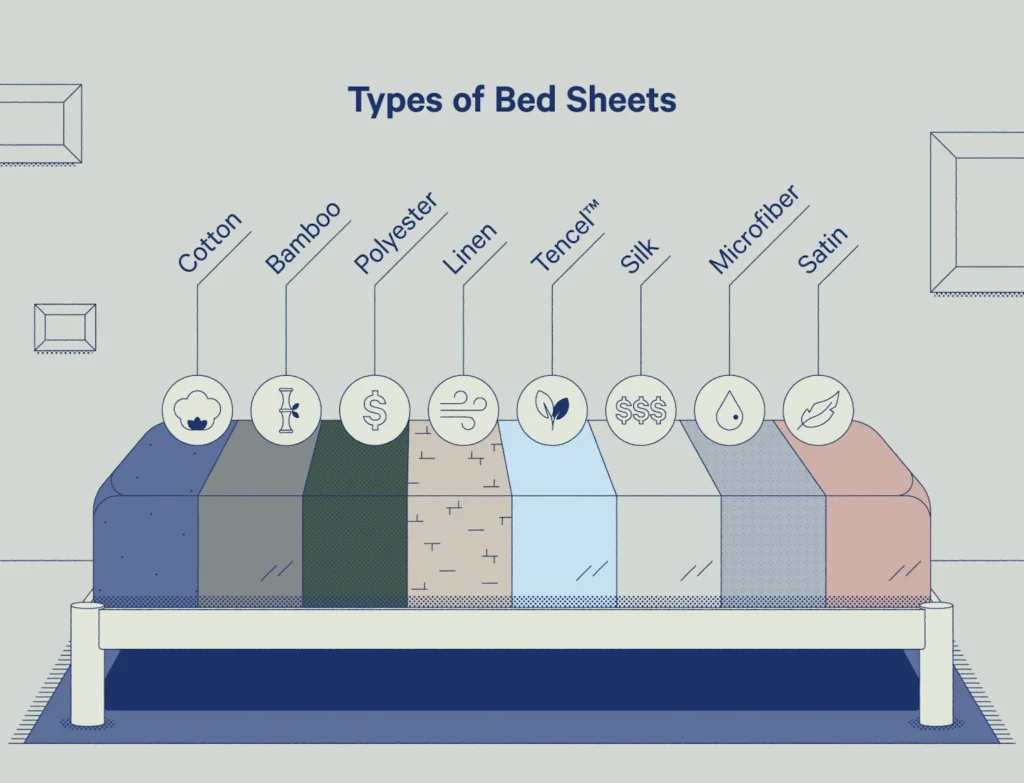
1.Cotton
Among the many types of bed sheets, cotton remains the most popular choice due to its breathability and comfort.
Cotton is everywhere—from the t-shirts you wear to the sweet treat called cotton candy—and it’s the most common fabric used for bed sheets. It’s breathable, cool to the touch, and easy to clean, even stubborn stains like blood. Over time and with washing, cotton sheets soften while keeping their strength.
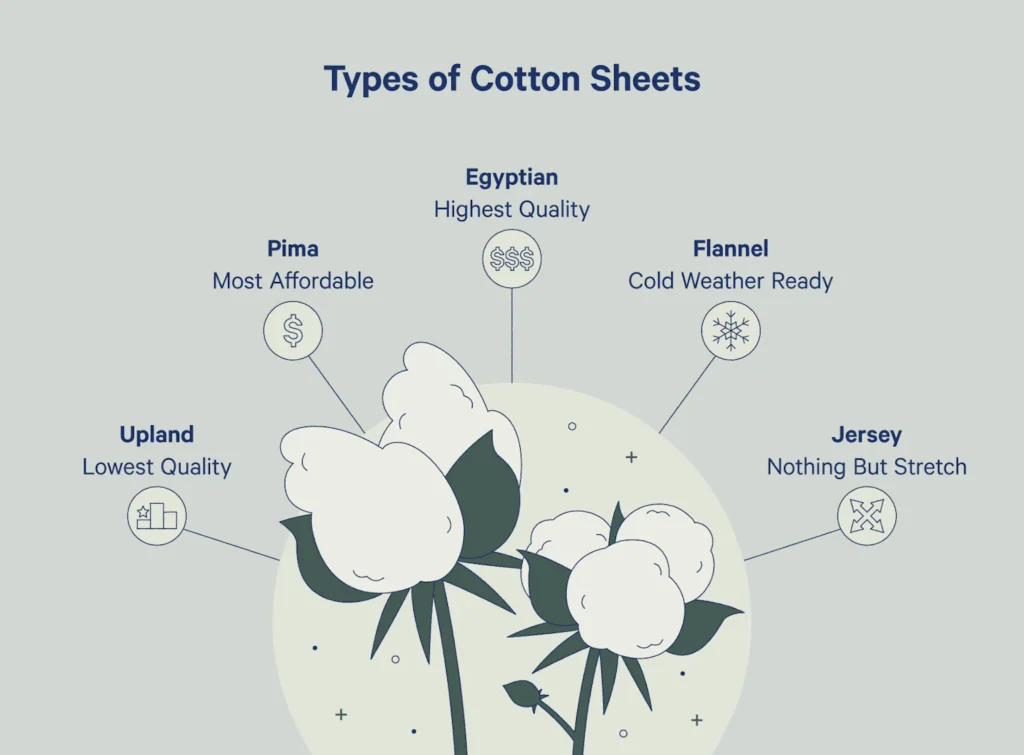
However, not all cotton is the same. The type of cotton you choose matters because some kinds are better in quality and feel than others.
Egyptian Cotton Known for its silky smooth texture, outstanding durability, and resistance to pilling, Egyptian cotton is the highest-grade cotton available. It’s made from extra-long staple fibers—the longest cotton fibers—which makes it strong and soft. Authentic Egyptian cotton tends to be more expensive but delivers luxurious comfort and lasts a long time.
Pima Cotton Supima®, the trademarked American Pima cotton, is a close runner-up to Egyptian cotton. It also uses long-staple fibers, making it durable and soft. Pima cotton offers a high-quality feel at a price that’s generally lower than Egyptian cotton, making it a great choice for softness and resilience without the premium cost.
Percale Sheets Percale sheets are your everyday breathable option that works well all year round. They have a crisp, cool feel and a lightweight weave, making them perfect for sleepers who like airiness and a matte finish.
Sateen Sheets Sateen sheets feature a smooth, silky weave that is naturally resistant to wrinkles. They feel luxuriously soft and have a slight sheen, offering a cozy and polished look for your bed.
Upland Cotton Upland cotton is the most common and usually what’s labeled simply as “100% cotton.” Made with shorter staple fibers, it is durable but not as soft or luxurious as Egyptian or Pima cotton.
Flannel Like a classic flannel shirt, flannel sheets are made by brushing cotton fibers to create a thick, fuzzy texture. The plain or twill weave adds softness and flexibility, making flannel sheets especially warm and comfortable in colder weather.
Jersey Jersey sheets feel like your favorite stretchy cotton t-shirt—soft and flexible right from the start. While easy to wash, they tend to pill with use and lose shape over time. They are less durable than other cotton sheets but offer a cozy, casual vibe.
2.Bamboo
Bamboo is an eco-friendly material that grows rapidly and is often used for various household products, including bed sheets. To make bamboo sheets, bamboo cellulose is extracted and spun into bamboo rayon fibers.
These sheets are softer than materials like polyester or linen and resist wrinkles naturally. Bamboo sheets are also long-lasting, breathable, and hypoallergenic, making them a comfortable and responsible choice for bedding.
3.Polyester
Pure polyester sheets often feel rough, but polyester blends are much softer and more comfortable. These sheets are easy to clean, resist wrinkles, and are usually budget-friendly. If you want bedding that doesn’t require ironing or steaming, polyester is a great option.
On the downside, polyester naturally repels water but tends to absorb oils and grease. This makes stain removal, especially on white sheets, a challenging task.
4.Linen
Linen sheets bring a fresh, countryside vibe to your bedroom. They are perfect for hot sleepers and allergy sufferers because linen naturally stays cool and is hypoallergenic.
However, linen can feel stiff at first. Although it softens with use and washing, it doesn’t quite become as soft as cotton.
5.Tencel™
Tencel™ is a branded version of Lyocell, a fiber made from the wood pulp of fast-growing trees like eucalyptus. This eco-friendly fabric is produced through a closed-loop process that recycles and reuses waste, making it a sustainable choice.
Tencel™ sheets are soft, smooth, and hypoallergenic, offering comfort for sensitive skin. While they resist wrinkles well, they are not quite as breathable as cotton or linen. For those who want eco-conscious bedding with a silky feel, Tencel™ is an excellent option.
6.Silk
Silk is a natural fiber made by silkworms, and because it requires careful handling during production, it usually comes with a higher price tag. Silk sheets are naturally hypoallergenic, which is great for sensitive skin, but they do need extra attention and careful cleaning to keep them in good shape.
Despite the extra care needed and the cost, silk sheets feel cool and luxurious. They also add a touch of elegance and romance to any bedroom, making them a beautiful choice for special bedding.
7.Microfiber
Microfiber is made by weaving polyester fibers very finely. These sheets resist stains, making them a practical choice for kids, anyone who eats in bed, or those who share their bed with pets.
Microfiber feels softer than regular polyester but isn’t as breathable as cotton, so it works well for keeping warm in cooler weather.
8.Satin
Satin sheets are made from synthetic fibers and offer a smooth, luxurious feel. Like silk, they add a romantic touch to any bedroom. When choosing satin sheets, note the difference between woven and knit satin—woven satin is smoother, while knit satin has a slightly rougher texture.
What to Look for When Choosing Types of Bed Sheets
When selecting from the numerous types of bed sheets, consider factors such as texture, size, and durability to find your perfect fit:
Washing instructions: Are the sheets easy to care for? Knowing how to wash them properly helps maintain softness and durability.
Purpose: Will the sheets meet your specific needs, such as cooling, softness, or warmth?
Size: Check if the sheets fit your mattress perfectly, considering not just length and width but also mattress thickness (pocket depth).
Texture and softness: Do you like the feel of the fabric against your skin?
Durability: Are the sheets sturdy enough to last through regular use and washing?
Being clear about these factors helps you pick sheets that feel great, fit well, and last long, reducing the chance of returns or regrets.
If your mattress is extra thick, look for deep-pocket sheets to ensure a good fit. Also, matching your sheet material to your sleeping preferences (cooling, soft, easy-care) guides your choice effectively.
Different Sheet Weaves
The variety of types of bed sheets extends beyond material to include different weaves, each affecting texture and durability.
The material your sheets are made of is important, but the way the fibers are woven significantly influences how soft, durable, or thick your sheets feel.
While thread count and fabric matter, understanding the weave helps you pick sheets that suit your comfort and care preferences.
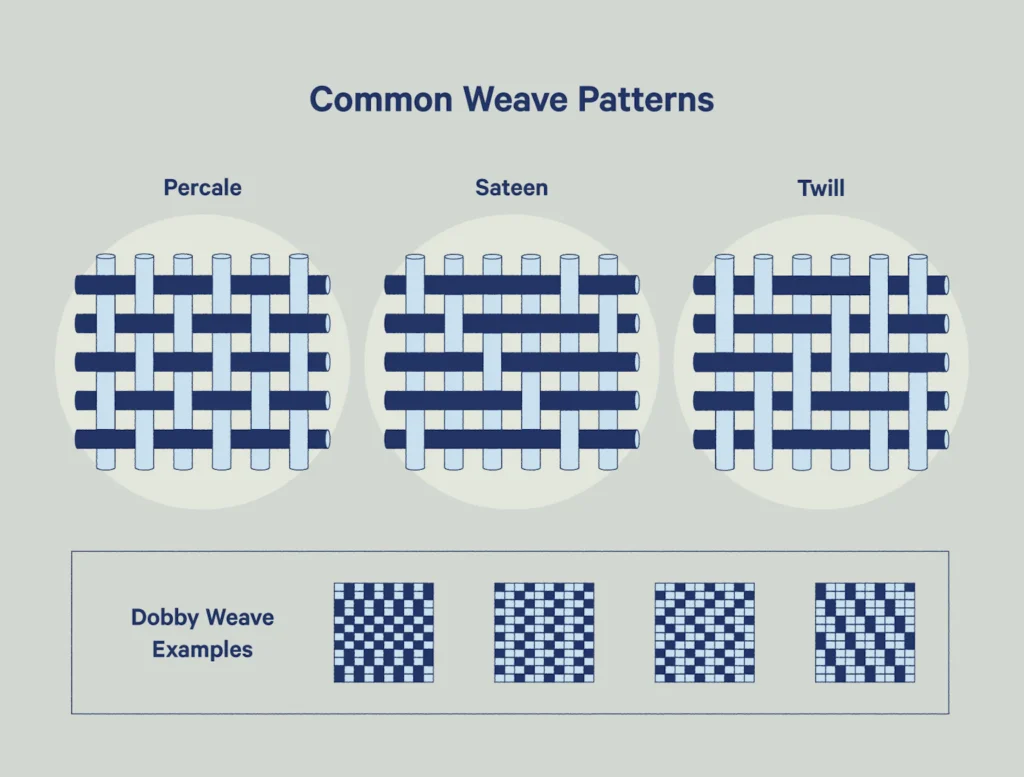
Percale Percale sheets use a plain weave where the yarn goes over one thread and under the next, creating a matte, crisp texture. Usually made from cotton, these sheets are lightweight, breathable, and get softer with each wash. Perfect for hot sleepers and warm climates, percale sheets aren’t wrinkle-resistant, so it’s best to take them out of the dryer promptly to avoid creases.
Sateen Sateen sheets have a satin weave structure—typically one thread under, three over—that uses yarn instead of filament fibers. This creates a silky, smooth surface with a subtle sheen. Though less durable than percale, sateen sheets are warmer and ideal for cooler sleepers or cold weather.
Twill Twill weave features an over-two, under-two pattern, resulting in a visible diagonal texture. These sheets tend to be thicker and wrinkle-resistant but may shrink more than sateen sheets. Twill sheets are often more budget-friendly with a cozy feel.
Dobby Dobby weave produces small, geometric, or striped patterns that add texture to the fabric. The slightly raised designs—like squares, diamonds, or stripes—offer a tactile, decorative surface, with thick stripes being a common style in bed sheets.
Sheet Thread Count
hread count varies across types of bed sheets, influencing softness and durability.
Thread count measures how many horizontal and vertical threads are woven into one square inch of fabric. Typically, a higher thread count means the sheet feels smoother and lasts longer. In the past, thread count was a major factor in choosing sheets, but nowadays, focusing on the overall quality of the material is more important
Keep in mind that some fabrics naturally have lower thread counts but still maintain durability. For example, linen sheets typically have a thread count around 120 and can still be very durable, whereas cotton sheets generally need a thread count of 500 or more to be considered good quality. Understanding this helps you make better choices beyond just the numbers.
Ply
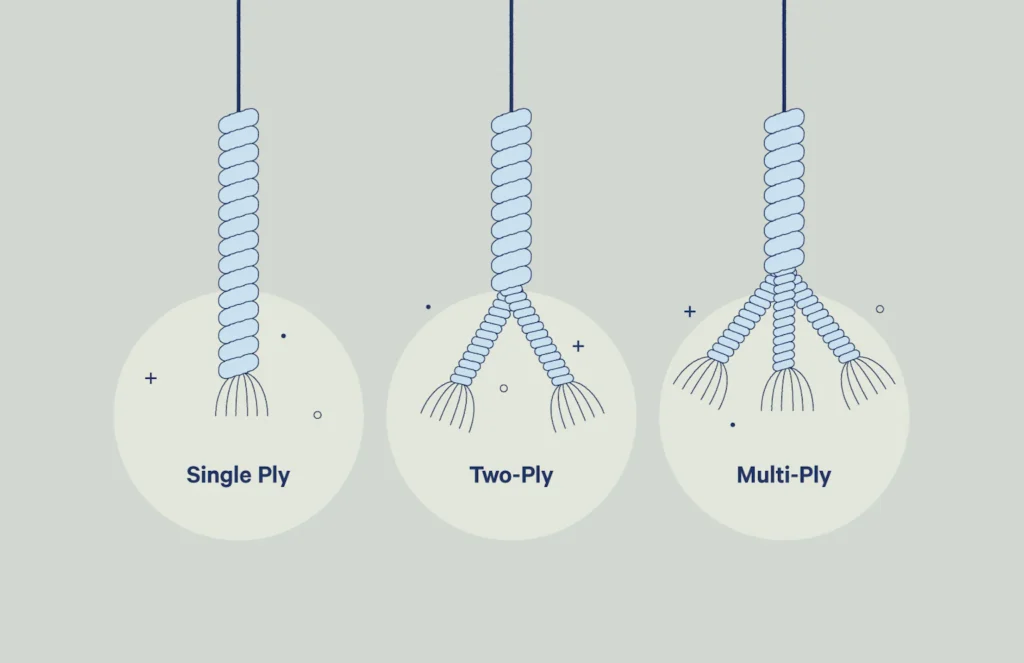
Ply refers to how many fibers are twisted together to make a single thread. One-ply sheets use a single fiber per thread, while two-ply sheets combine two fibers into one.
Thread count can vary significantly among types of bed sheets, influencing their softness and longevity.
Although you might think two-ply sheets are better because they have more fibers, that’s not always true. Two-ply sheets often feel rougher and can be less durable since they tend to use lower-quality materials. It’s more important to choose the right fabric and weave, and generally, sticking to one-ply sheets will give you a softer, longer-lasting result.
Flat vs. Fitted Sheet
Most sheet sets include a flat sheet, a fitted sheet, and one or two pillowcases. Because of this, it’s rarely a question of choosing between flat or fitted sheets—both serve important roles and usually come together in a package. Some sheet sets, like those from JiaPaimi, may also include a duvet cover.
Fitted sheets have elastic edges that grip your mattress, keeping the sheet securely in place while you sleep. They help protect the mattress from body oils, spills, and wear. For extra protection, it’s a good idea to use a mattress protector underneath your fitted sheet.
Flat sheets lie on top of the fitted sheet and act as a barrier to protect your duvet or comforter from oils and tears. Not everyone uses flat sheets, but they are recommended to help keep your bedding cleaner longer.
Understanding which sheets suit your needs can improve your sleep and extend how long your bedding lasts. When choosing sheets, think about your sleeping style: hot sleepers should go for breathable, cooling options like cotton or linen, while cold sleepers might prefer warmer fabrics like flannel. Also, consider how often the sheets will be used and who or what will sleep on them to pick the best material and weave.
A bedding set is a fundamental part of any bedroom, offering both comfort and style. Typically consisting of a fitted or flat sheet, a duvet cover, and two pillowcases, a quality bedding set can transform your sleep experience. This guide will help you understand the best materials, proper washing techniques, and daily care routines for your bedding set. Why Choose […]
When it comes to creating a warm, inviting, and stylish home, home textiles play an indispensable role. These textile products are not only functional but also add aesthetic value to your living environment. Whether you are looking to refresh your bedroom, enhance your kitchen, or add a cozy touch to your bathroom, understanding the variety […]
We use cookies to enhance your browsing experience, serve personalised ads or content, and analyse our traffic. By clicking "Accept All", you consent to our use of cookies.

-7.webp)
-10.webp)
-3-991x1024.webp)
-13.webp)